
The Github Repos:
https://github.com/MohdYahyaMahmodi/splitflap.org
FlipOff turns any TV into a retro split-flap display. It recreates the classic board look and the Vestaboard vibe without the $3,500 hardware bill. It is free forever, which makes it a neat weekend project and a practical demo piece.
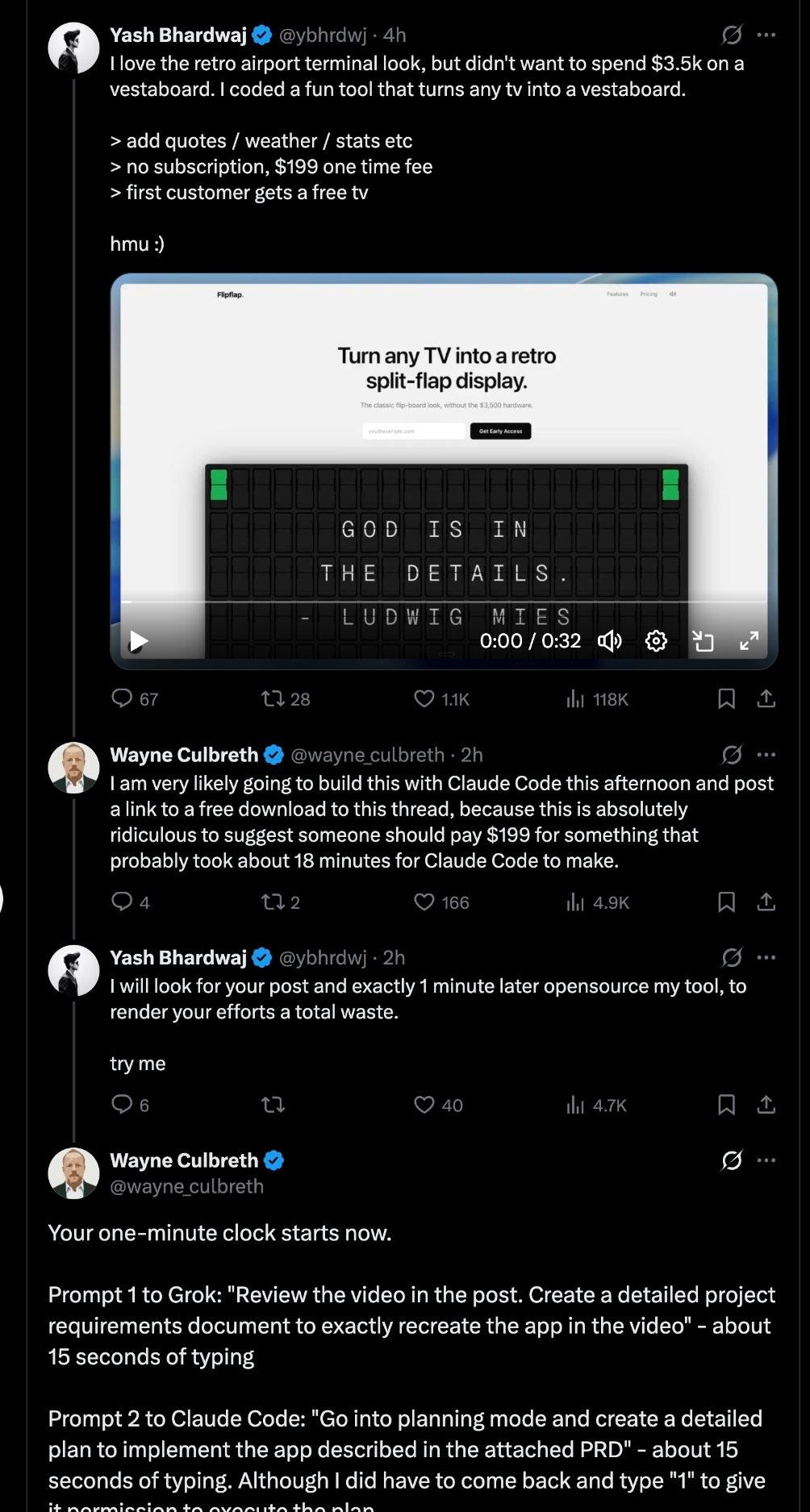
The appeal is obvious: old-school motion, modern screens, and no special enclosure. If you want a mechanical-looking display for a desk, lobby, stream backdrop, or home status board, this gets you there fast.
It also scratches the same itch as FlipOff turns TVs into split-flap displays, but the open-source angle matters. You can inspect the code, tweak the layout, and adapt it to your own setup instead of buying a closed box.
What It Does
FlipOff is a visual layer that makes a TV behave like a split-flap sign. That means big blocky characters, deliberate flips, and a display style people still notice instantly.
It works well for simple text, announcements, room labels, timers, or ambient info. The format is minimal by design, so the screen stays readable from across a room.
For teams that like retro interfaces, this sits in the same lane as FlipOff turns any TV into a split-flap display. The difference is that the repo gives you a path to customize instead of just consume.
Why People Reach For It
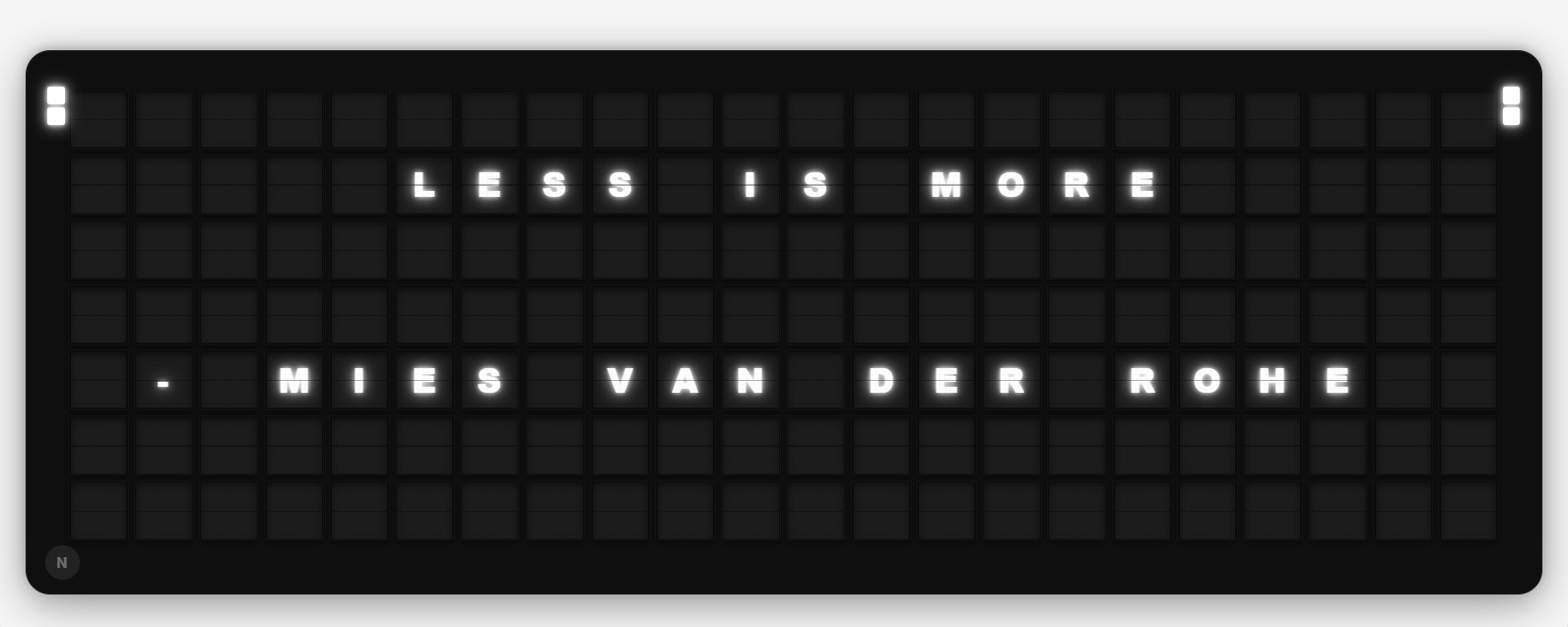
The first reason is cost. A real Vestaboard-style setup is expensive, while this uses hardware many people already have.
The second reason is speed. You can test the idea quickly, show it off, and decide whether the effect is worth keeping before spending real money.
The third reason is flexibility. Since the project is open source, you can bend it toward a status wall, a novelty display, or a branded installation.
Getting Started
- Open the GitHub repo and review the setup instructions.
- Run the project on a machine connected to your TV.
- Point the output at the screen you want to use.
- Change the text or feed source to match your use case.
- Tweak spacing, timing, or styling until the flip effect feels right.
If you want the retro look without buying dedicated hardware, this is the kind of project worth keeping around.