Buying new tech in 2026 is harder than it should be. Every product page is loaded with jargon, every launch video is sponsored, and every forum thread contradicts the last one. For tech enthusiasts, gadget buyers, and everyday consumers, the problem is not a lack of information, it is too much of it, and most of it is unreadable.
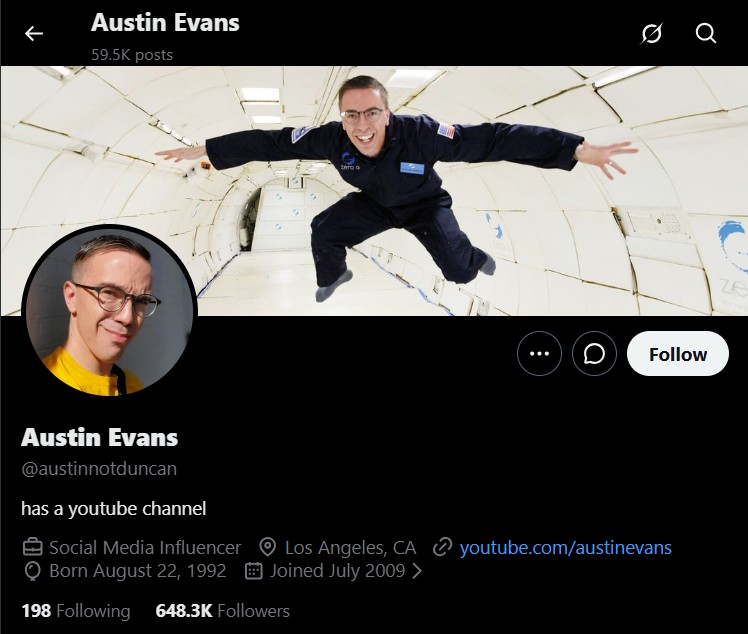
Austin Evans solves that with accessible reviews, comparisons, and real world usage insights that turn specs into decisions. His X profile lives at https://x.com/austinnotduncan and it is one of the cleanest filters for tech purchases online.
The insight is simple. Most buyers do not care about a 15 percent improvement in sustained write speeds. They care whether the device feels fast, lasts long, and is worth the money. That translation layer is exactly what a good reviewer provides, and it is the layer that the spec sheets never do.
Why Tech Purchasing is Broken Right Now
The modern gadget market is set up to confuse rather than help. Three structural problems make buying tech harder than it needs to be.
- Spec Overload: Manufacturers compete on raw numbers, and those numbers rarely translate into a better user experience. A higher refresh rate does not always feel smoother, more RAM does not always mean faster multitasking, and bigger batteries do not always mean longer real world use.
- Sponsored Reviews: Most “review” content is paid placement. Channels and creators will not say a product is bad when the brand is paying for the video, which means the buyer has to read between the lines on every recommendation.
- Decision Fatigue: There are too many choices. Three flagship phones, two mid range leaders, four different laptops that all claim to be the best. Without a clear comparison framework, buyers stall or make impulse decisions they regret.
The result is that most people either overspend on the safest option or underspend on something that disappoints them. Neither is a good outcome.

What Austin Evans Actually Does Differently
Austin Evans has built a reputation by treating the viewer like an adult. His reviews are not press release re reads and they are not 40 minute rants about the box. They are practical breakdowns of what a product does, who it is for, and whether it is worth the money.
The approach has three consistent strengths:
- Real World Testing: Benchmarks get a moment, but the focus is on what the device does when you actually use it. Cameras get shot in normal lighting, not just studios. Phones get pushed through a normal day, not a stress test.
- Accessible Explanations: A new chipset or a new display tech is explained in plain English, with the implications spelled out. You finish a video knowing what the feature means for you, not just that it exists.
- Honest Comparisons: When two products are similar, he says so. When one is clearly better for a specific use case, he explains the tradeoff instead of pretending there is a universal winner.
This style works because it treats the audience as the buyer, not the viewer count. It is the kind of review you can act on immediately.
Who Should Actually Follow Him
Austin Evans is not for people who want to feel good about their pre order. He is for people who want a second opinion that is willing to say “this is fine, do not pay more” or “this is not worth it, wait.”
- Tech Enthusiasts: Viewers who care about the category but do not want to read 5 page spec comparisons. The channel does the homework.
- Gadget Buyers: Anyone about to spend real money on a phone, laptop, tablet, headphones, or console and wants a clear take.
- Everyday Consumers: Buyers who do not follow tech closely and just want to know if the popular new product is actually worth the hype.
- Parents and Gift Shoppers: People buying for someone else and trying to pick the right device without becoming a tech expert first.
If you have ever watched a 20 minute review and still did not know whether to buy the product, this is the opposite of that.
How to Use a Tech Reviewer Well
A review is a starting point, not a purchase order. The smartest way to use Austin Evans and creators like him is to layer their take on top of your own use case.
- Identify Your Real Need: Do not start with the product. Start with the problem. Are you replacing a dying laptop, upgrading a phone for camera quality, or just bored with what you have.
- Match the Review to the Use Case: A creator who games for a living will value different things than someone who travels for work. Pick the reviewer who tests in the scenarios that match yours.
- Watch the Comparison, Not Just the Review: The most useful videos are usually the head to head matchups, not the standalone launch reviews. Those videos tell you what to buy instead.
- Set a Wait Window: If the review says “wait,” believe it. Six months later there is usually a discount, a successor, or a competitor that solved the issue.
These four habits turn a review into a tool. Without them, a review is just entertainment.
Final Take
The tech industry does not have an information problem. It has a translation problem, and that is exactly the gap that creators like Austin Evans fill. If you are about to buy a new gadget in 2026 and you want one honest opinion before you spend the money, his X feed at https://x.com/austinnotduncan is a great place to start.
Do not skip the homework, but do not drown in the spec sheet either. The right review saves you from the wrong purchase, and that alone is worth the click.